

Reviving Traditional Wisdom
Parbati Sethi’s Journey as an Ethno-Veterinary Healer
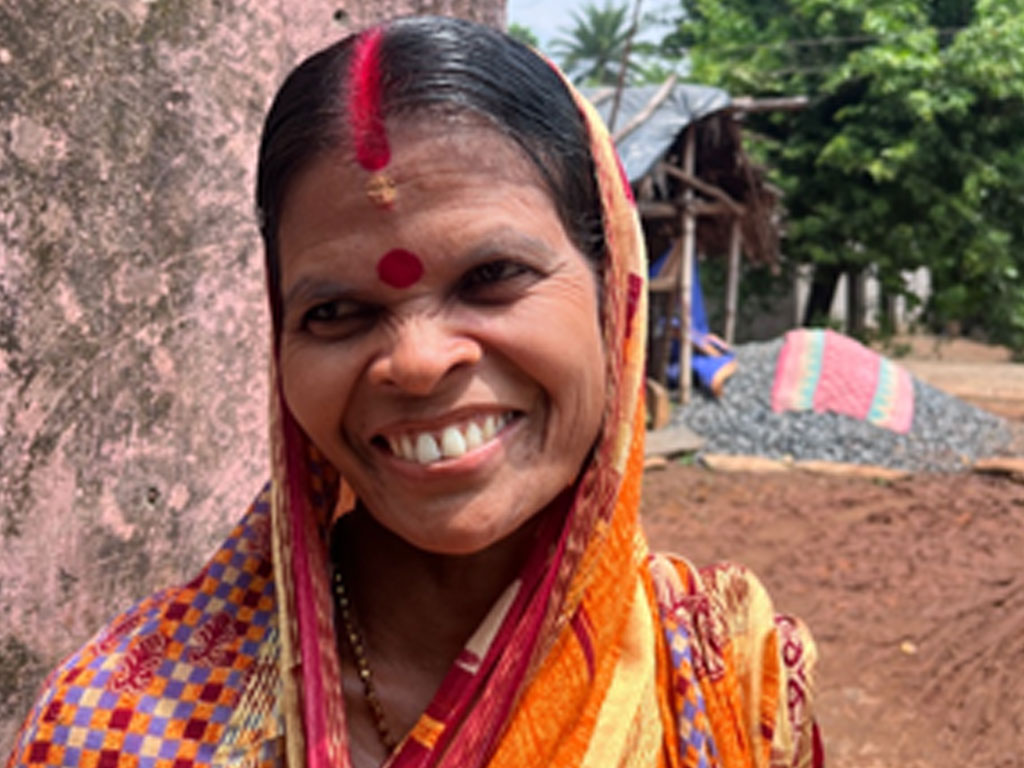
Parbati Sethi, from Uania village in Nafri Gram Panchayat, has become a respected figure in her community for her deep knowledge of traditional veterinary practices, or ethno-veterinary medicine (EVM). With no formal veterinary training, Parbati’s skills were honed through the intervention program led by Nydhee, where she was trained as an ethno-vet. Today, her expertise in using natural remedies to care for livestock has transformed not only her own livelihood but also the well-being of animals in her village. Her story is one of dedication, tradition, and empowerment.
Learning Ethno-Veterinary Practices
Parbati’s journey as an ethno-vet began when Nydhee introduced the concept of ethno-veterinary medicine in their community-based livestock intervention program. The training focused on enhancing local knowledge of animal care through traditional, nature-based treatments. With the help of Nydhee’s programs, Parbati learned to harness the power of locally available herbs, plants, and other natural ingredients to treat common livestock ailments.
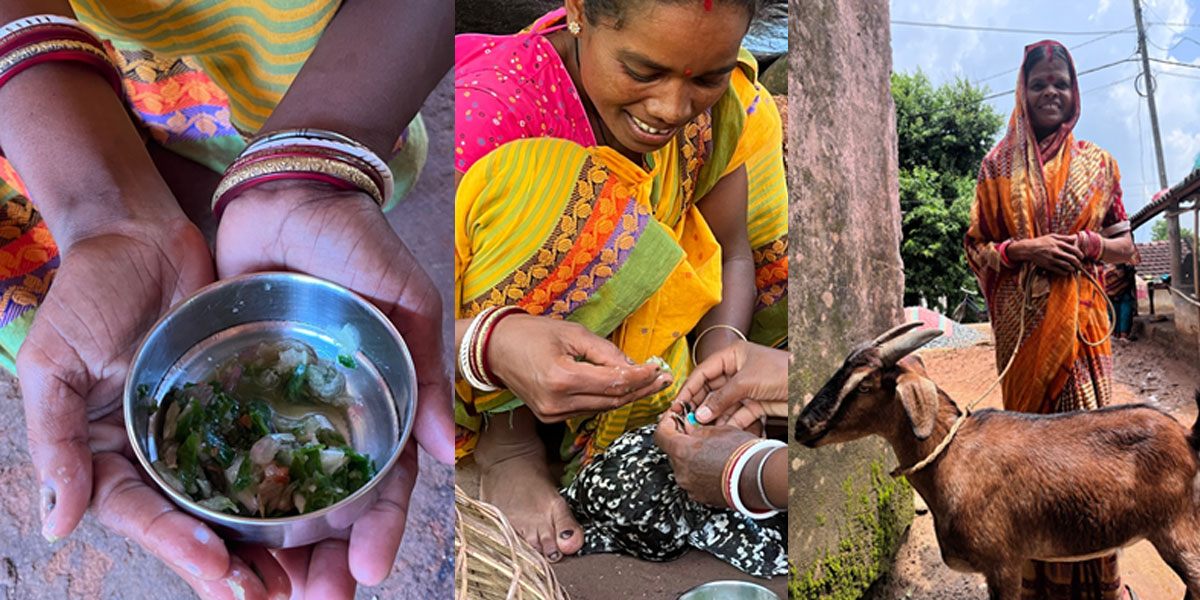
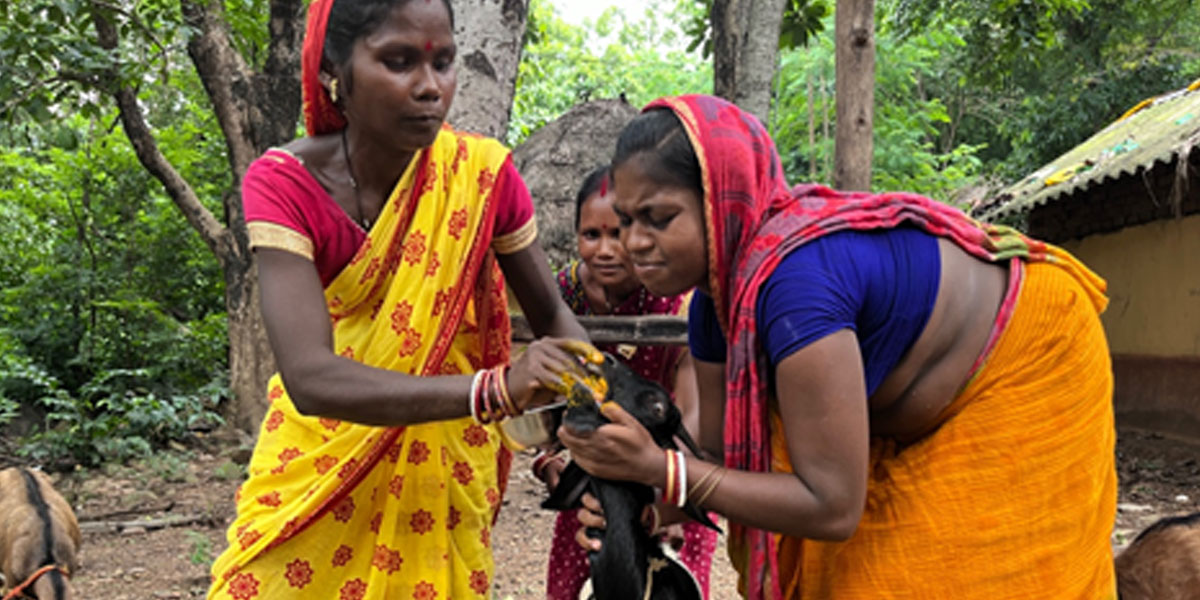
Among the many remedies she learned, the use of aloe vera, turmeric, and onion paste became her most trusted tools in managing poultry health. The mixture of these ingredients, known for their anti-inflammatory and immune-boosting properties, is administered to chickens at various stages of their growth. Depending on the age of the birds and goats, Parbati carefully measures and provides drops of the mixture to strengthen their immunity, reducing the risk of diseases like Newcastle disease (Ranikhet) and other viral infections.
She also applies this paste to external wounds and infections on goats and poultry, which has shown quick recovery results. Additionally, she learned how to create herbal poultices to treat joint and muscle pain in goats and discovered the benefits of neem leaves for deworming.
The Impact of Traditional Remedies
Before Parbati began practicing ethno-veterinary medicine, poultry and goats in her village suffered from frequent outbreaks of diseases. These illnesses led to high mortality rates and caused severe financial strain on the families who relied on their livestock for income. Many households couldn’t afford modern veterinary care or medicines, which left them with no choice but to suffer losses.
Through Parbati’s intervention and the use of traditional remedies, the community saw a significant improvement in the health of their animals. Her methods not only proved to be effective but were also affordable and sustainable. The use of natural, locally-sourced ingredients reduced dependency on expensive veterinary medicines, making animal care accessible to even the most vulnerable households.
For instance, by applying her aloe vera-turmeric-onion mixture as a preventive measure, Parbati has been able to drastically reduce the mortality rates in poultry. This has translated into increased income for the households as their birds and goats remain healthier and more productive.
Empowerment and Respect
Parbati’s role as an ethno-vet has empowered her in multiple ways. First and foremost, it has provided her with a steady source of income. Farmers from neighbouring villages often seek her services, compensating her for her expertise. On average, she earns around ₹4,000–₹6,000 per month through her work. Beyond financial gain, Parbati has earned immense respect within her community for reviving and applying traditional knowledge that had once been forgotten.
Her confidence has grown over the years, and she is now an advocate for sustainable and natural animal care. Parbati frequently conducts sessions for other farmers, teaching them how to prepare herbal remedies and encouraging them to integrate ethno-veterinary practices into their livestock management routines.
Reviving Lost Wisdom
What stands out in Parbati’s story is her role in reviving traditional knowledge that was once on the brink of disappearing. In an era where industrial veterinary medicine dominates, she has shown that ethno-veterinary practices not only have a place in modern animal care but can also offer a sustainable, cost-effective alternative.
Parbati’s work is a testament to the power of blending indigenous knowledge with modern techniques. She continues to expand her skills, learning new methods from her community and Nydhee’s ongoing training programs, while also passing on her knowledge to younger generations. For Parbati and her village, ethno-veterinary practices have become a vital part of maintaining livestock health and ensuring a better livelihood for the community.
In essence, Parbati Sethi’s journey from a villager with no formal skills to a community healer and ethno-veterinary expert reflects the power of grassroots interventions. By combining tradition with modern knowledge, she has brought hope and well-being to her animals and her community.