

Collective Strength
How the Jai Veer Women SHG Built a Community Goat Shed in Jinkapadi
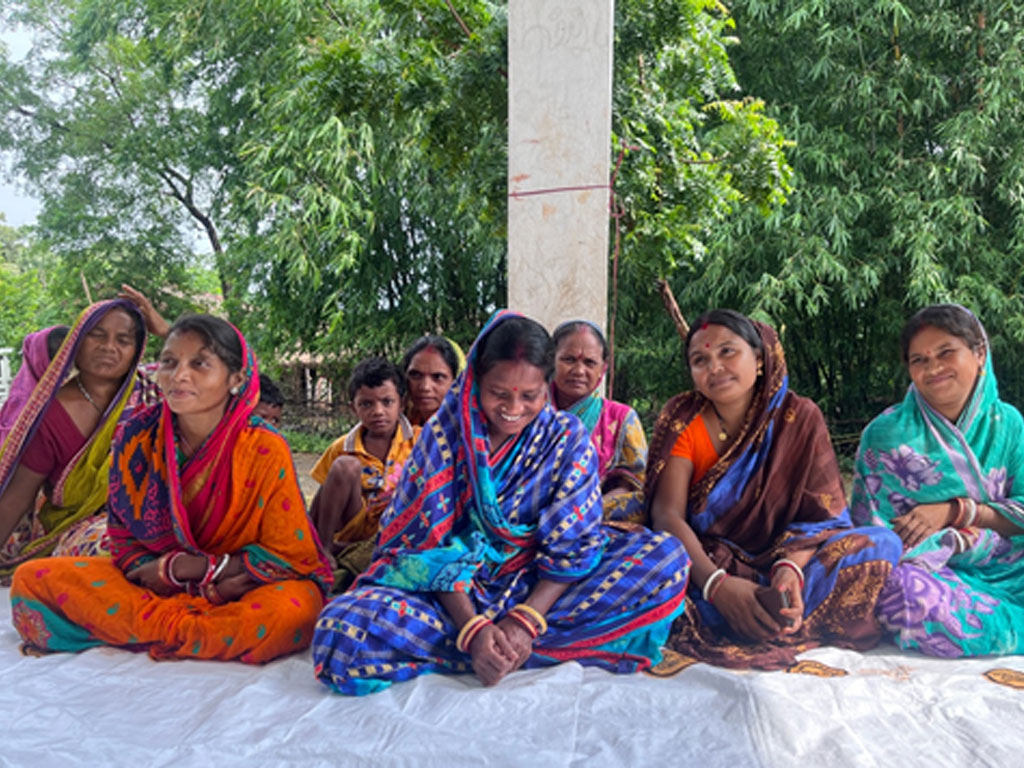
In the small village of Jinkapadi, nestled within Nafri Gram Panchayat, a remarkable initiative by the women of the Jai Veer Women Self-Help Group (SHG) has brought about transformative change in the way livestock is managed. The community goat shed they built has not only improved the health and safety of their goats but has also strengthened the bonds of sisterhood and collective action among the group members. This inspiring story highlights the power of collaboration, resource mobilization, and the resilience of rural women working together for a common goal.
The Problem: Unsafe Conditions for Livestock
Goat rearing has long been a significant source of livelihood for many households in Jinkapadi. However, for most of these families, keeping goats safe from diseases and pests was a constant challenge. Without proper enclosures, goats were often left outdoors, exposed to the elements and susceptible to a host of health issues. During the monsoon season, this problem was exacerbated, with many animals falling sick due to exposure to damp conditions and pest infestations.
Compounding this issue was the fact that many of the SHG members didn’t have access to their own land to build personal goat sheds. Even those who did have some space lacked the financial resources to construct proper shelters for their livestock. The lack of adequate shelter directly impacted the health of the goats, leading to high mortality rates and reduced productivity, which, in turn, affected the livelihoods of the women who depended on them.
The Solution: A Collective Effort
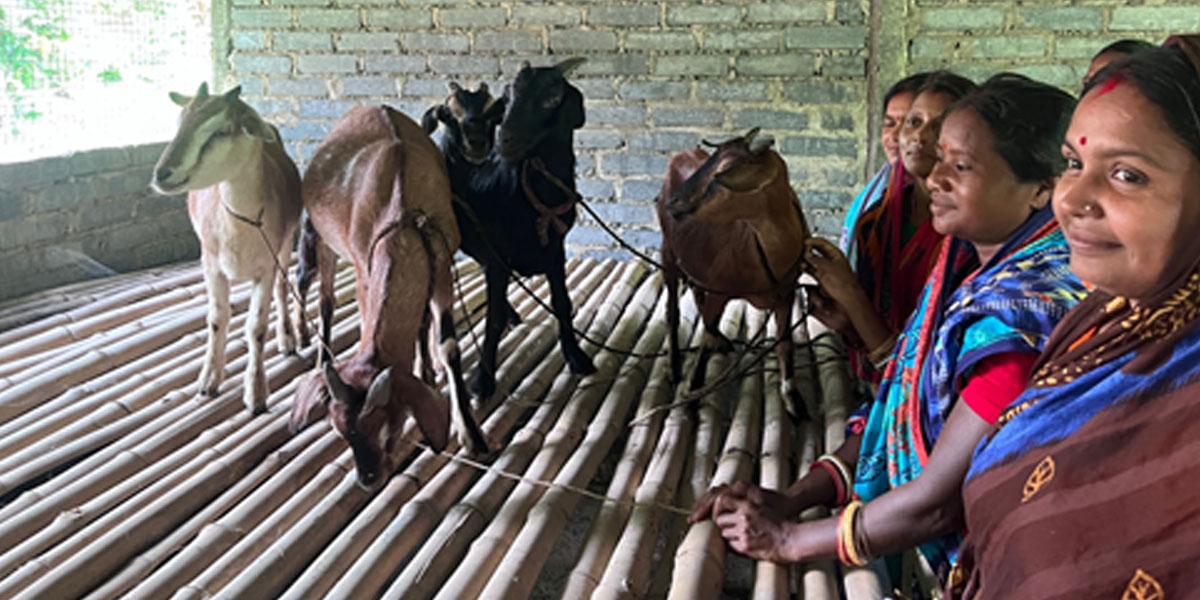
Faced with these challenges, the members of the Jai Veer SHG knew they had to find a solution. After much discussion and planning, they decided to pool their resources and leverage the strength of their collective to build a community goat shed—a safe and secure space where all their goats could be sheltered.
The idea of building a shared goat shed was driven by both necessity and the SHG’s belief in the power of collectivism. As a group, they realized that while individual members might lack the resources to build their own goat sheds, together, they could achieve much more. The group conducted an assessment and estimated that they would need around ₹2.3 lakhs to construct an all-season goat shed that could house their livestock safely throughout the year.
The design of the shed included strong walls, a raised platform to keep the animals dry during the monsoon, and adequate ventilation to ensure a healthy environment for the goats. The structure also included space for fodder storage and an area where the women could carry out essential activities, such as feeding and cleaning.
Mobilizing Resources
With a solid plan in place, the group sought funding to make their vision a reality. They submitted a proposal to the local government through the Odisha Livelihoods Mission (OLM), an initiative aimed at promoting sustainable livelihoods in rural areas. Recognizing the value of the project, the OLM sanctioned ₹1.38 lakhs to support the construction of the goat shed.
While this was a significant contribution, it still left the group with a shortfall of ₹92,000. Undeterred, the women of the Jai Veer SHG decided to raise the remaining amount themselves. Through small individual contributions, along with some support from community members, they were able to gather the necessary funds. With the resources in place, the construction of the goat shed began, and the women worked alongside local labourers to build the structure.
The Impact: A Safe Space for Goats and Empowerment for Women
The completion of the community goat shed has had a profound impact on both the livestock and the women who care for them. The shed provides a safe and clean environment for the goats, which has led to a drastic reduction in mortality rates. With the goats now housed in a dry, pest-free space, the anxiety the women once felt about leaving their animals outdoors has all but disappeared.
Additionally, the goat shed has become a symbol of what the group can achieve when they work together. This project has deepened the sense of unity among the women, reinforcing the bonds of sisterhood and strengthening the group’s internal functioning. Through the process of pooling resources, making decisions collectively, and working side by side, the women have gained a stronger sense of agency and confidence in their ability to tackle future challenges.
Sharing the Success
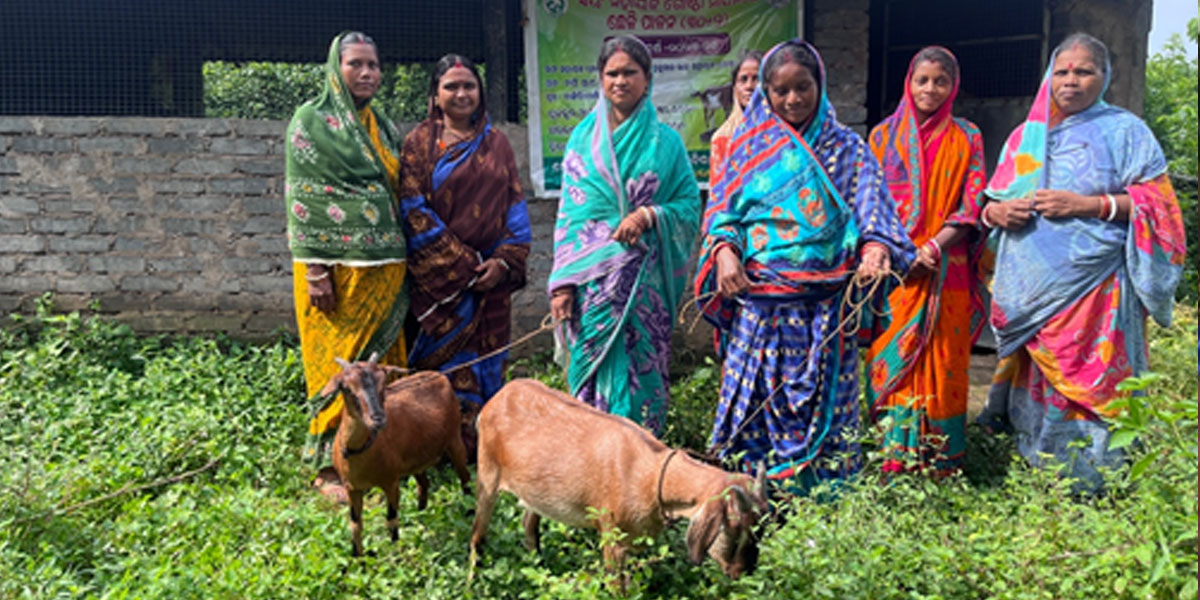
The success of the goat shed project has inspired the Jai Veer SHG to share their experience with other self-help groups in the region. They now serve as role models, encouraging other women’s collectives to undertake similar projects that address common challenges. By doing so, they are helping to spread the benefits of collective action and mutual support throughout the community. The group firmly believes that the key to their success was their decision to come together and leverage their collective capacity. They have not only improved their own livelihoods but have also demonstrated the power of collectivization as a tool for empowerment and social change.
For now, their focus remains on ensuring that their goats continue to thrive in their new shelter and that their collective continues to grow stronger. Their story is a powerful reminder that when women come together with a shared purpose, they can overcome even the most daunting challenges and create lasting change for themselves and their communities.