

Goat Gyanakendra
Empowering Women and Transforming Livelihoods through Knowledge Sharing
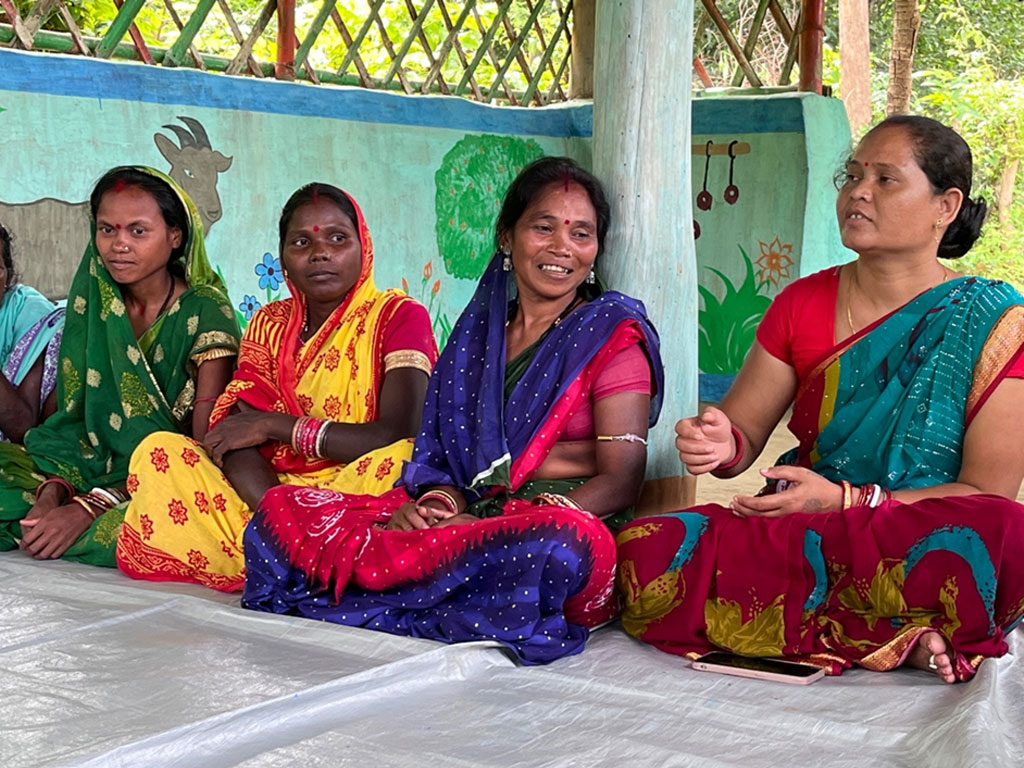
In the heart of Dwarsuni FPO, a revolutionary initiative called “Goat Gyanakendra” has emerged as a one-stop centre for all things related to goat rearing. This centre is not just a hub of information but a beacon of empowerment for women in the community. Through its holistic approach to goat rearing, the centre offers a comprehensive range of resources, from vaccination schedules and Integrated Animal Management (IAM) techniques to mineral cake preparation and ethnoveterinary practices.
Run by women for women, Goat Gyanakendra has transformed the lives of local households, ensuring the health and vitality of their livestock and securing sustainable income through livestock sales. The centre has also played a pivotal role in ensuring fair prices for goat sales through the Farmer Producer Organisation (FPO), creating a transparent system that benefits the community.
A Lifeline for Goat Rearer
Before the establishment of Goat Gyanakendra, many households struggled with high goat mortality rates and inconsistent income from goat rearing. Common issues such as poor nutrition, lack of vaccination, and inadequate healthcare often led to the loss of goats, which negatively impacted the livelihood of families dependent on this source of income. The need for a dedicated centre that could provide timely information and support to goat rearers was clear.
With the setup of Goat Gyanakendra under the Dwarsuni FPO, these challenges have been effectively addressed. Women from surrounding villages now have easy access to vital information about best practices in goat rearing, IAM, vaccination schedules, and much more.
The centre also offers training in ethnoveterinary practices, where traditional knowledge is combined with scientific methods to treat common livestock ailments. This fusion of modern and traditional veterinary care ensures that the goats receive the best possible treatment, leading to zero goat deaths among households practicing the recommended methods.
A Center Run by Women, for Women
What makes Goat Gyanakendra truly unique is that it is entirely run by women from the community. These women, trained in various aspects of goat rearing and animal management, offer peer-to-peer guidance and support to other women involved in goat farming. This not only creates a supportive network but also builds leadership among the women, empowering them to take control of their livelihoods.
The Center acts as a bridge between the farmers and the market. With the involvement of the FPO, the sale of goats is facilitated in a way that ensures a fair price for the farmers, preventing exploitation by middlemen. Women now sell their goats with confidence, knowing that they will receive a fair and transparent price for their hard work.
Innovative Learning Tools
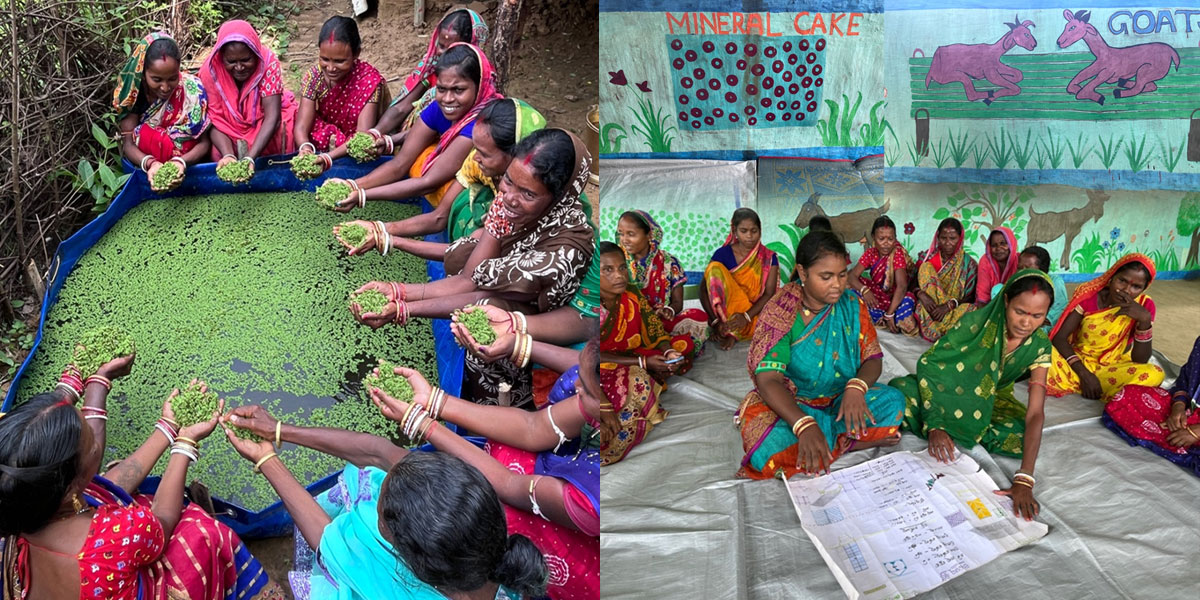
In addition to one-on-one support, Goat Gyanakendra has adopted creative and accessible ways of disseminating information. The walls of the Center are adorned with colourful murals and informative graphics that explain key concepts related to goat rearing. From vaccination timetables to mineral cake recipes, these visual aids ensure that even those with limited literacy can understand and implement the best practices.
These visuals have played an instrumental role in increasing awareness and participation in the goat rearing activities promoted by the Center. Moreover, these paintings not only educate but also serve as a constant reminder of the knowledge and skills available to all who visit the Center.
Impact and Success
The impact of Goat Gyanakendra has been nothing short of transformational. Since its establishment, goat mortality has been reduced to zero among households that follow the centre’s guidance. This has led to a steady increase in the goat population, which in turn has provided a more stable and sustainable income for the families involved.
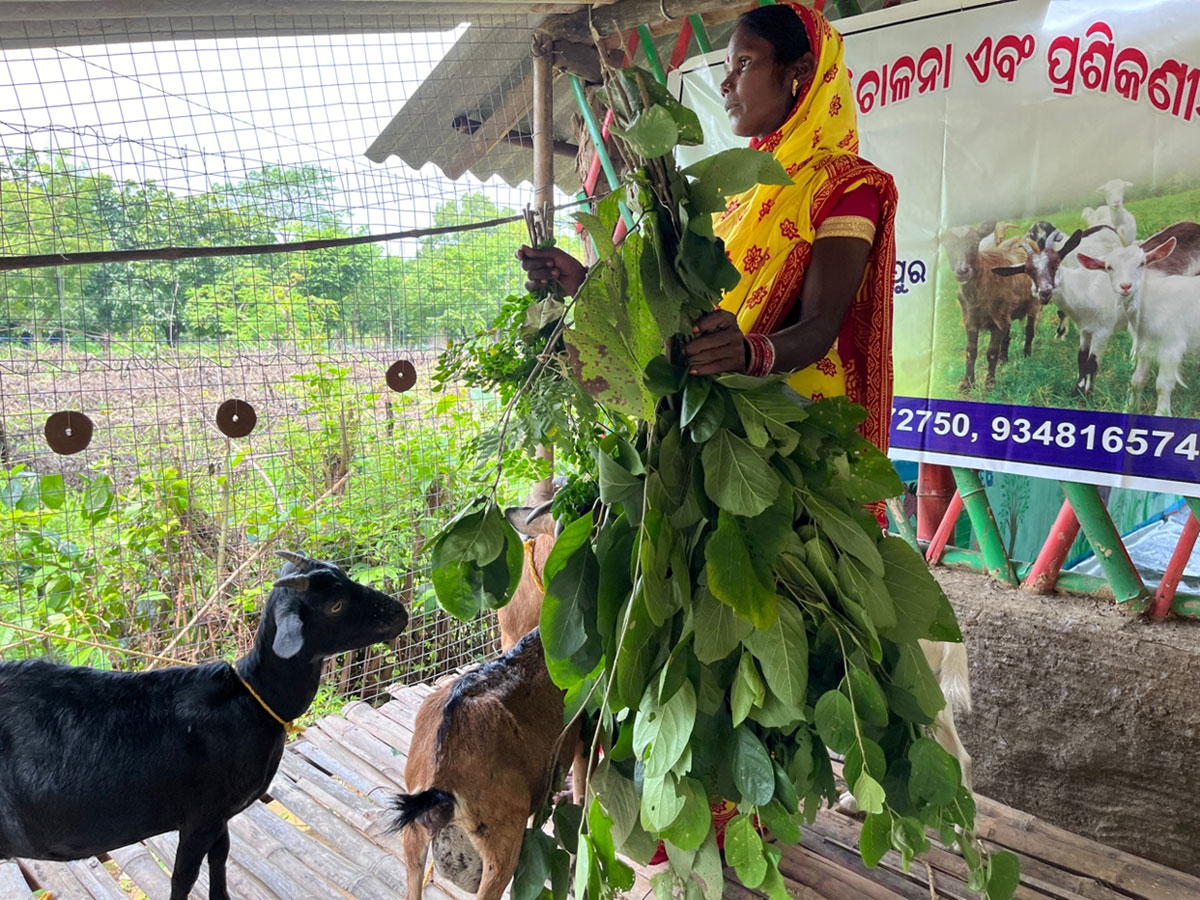
The health of the goats has drastically improved, thanks to the introduction of mineral cakes and timely vaccinations. Poultry farming has also gained traction, as many women are expanding their livestock management skills beyond goats to include chickens.
Goat Gyanakendra has become a pillar of support for women in the Dwarsuni FPO, offering them not just technical knowledge but also the confidence and tools needed to improve their livelihoods. With zero goat mortality, fair market prices, and a strong support system in place, women have been able to transform their goat-rearing activities into thriving businesses. Through this initiative, the Center is setting a new standard for sustainable livestock management and women’s empowerment in rural India.