
image-14

NYDHEE works with small & marginal farmers, women, STs & SCs, SHGs, PGs and other community-based organizations to strengthen farm-based livelihoods. The intervention is rooted in local knowledge, community participation and environment friendly practices.

Through agroecology, we support farmers to reduce dependency on external chemical inputs and adopt sustainable farming practices such as organic manure and bio-pesticide preparation, seed conservation, crop diversification, multilayer farming, kitchen gardens, trellis-based cultivation, fodder n’ forage development and improved package of practices for locally suitable crops. These practices help improve soil health, conserve moisture, reduce production risks and enhance food and nutrition security.

Our Core Focus Areas

Climate Resilient Agriculture

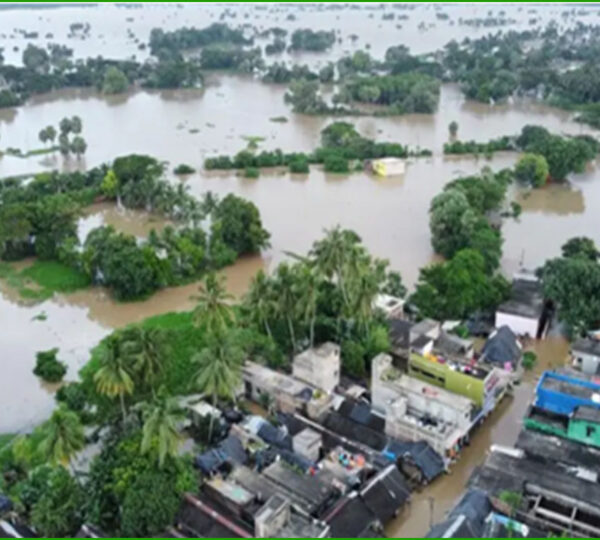
NYDHEE promotes climate-resilient agriculture to help farmers adapt to increasing climate stress. The focus is on improving farm productivity without harming soil, water, air and biodiversity. Farmers are trained on the preparation and use of organic manure, botanical extracts and locally available natural inputs. They are also encouraged to adopt climate-resilient local seeds, diversified cropping systems, nutrition gardens, multilayer farming and improved crop management practices.
This approach supports farmers to manage climate risks, reduce input costs, improve household food availability and strengthen year-round livelihood security. By integrating crop planning, soil health management and ecological pest management, NYDHEE enables farmers to make agriculture more adaptive, productive and sustainable.

Natural resource management is central to NYDHEE’s agroecological vision. Rural livelihoods depend directly on soil, water, forests, trees and common lands. NYDHEE therefore works with communities to conserve, regenerate and use these resources responsibly.
The NRM approach includes soil and moisture conservation, protection of degraded land, promotion of fodder n’ forage cultivation, water conservation, community-led planning and sustainable use of local resources. These measures help reduce pressure on forest, improve the local ecosystem, support livestock-based livelihoods and strengthen the resilience of farming households.
By linking NRM with agriculture and livelihoods, NYDHEE ensures that ecological restoration is not treated as a separate activity, but as the foundation for sustainable income, food security and community well-being.

NYDHEE recognizes that local biodiversity and indigenous knowledge are critical for climate resilience. The promotion of local seed varieties, organic cultivation, kitchen gardens, tree plantations and natural inputs contribute to the conservation of flora, fauna and traditional farming systems. Community seed systems, farmer learning processes and biodiversity focused practices help communities preserve valuable local resources while adapting to changing climatic conditions.

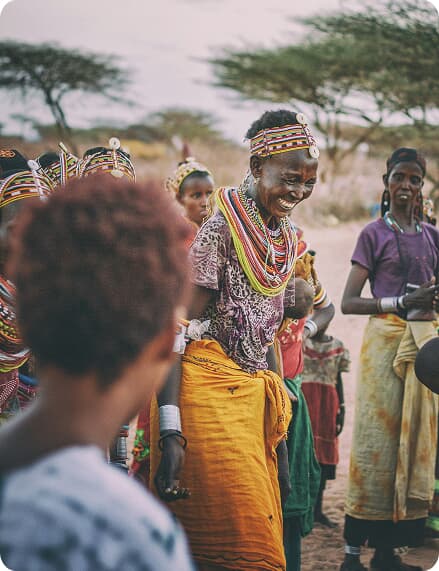
NYDHEE’s agroecology work is driven by community institutions. SHGs, PGs, farmer collectives, village level institutions play an important role in planning, implementation, learning a monitoring. Women are central to this process, particularly in seed conservation, nutrition gardens, livestock care, natural input preparation, micro enterprises and collective decision making.
By strengthening women’s participation and leadership, NYDHEE ensures that agroecology contributes not only to farm resilience, but also to social equity, economic agency and community ownership.

At the heart of our mission is the commitment to strengthen the economic resilience of marginalized rural and tribal communities. Our integrated livelihood approach addresses the diverse needs of vulnerable households by building on local knowledge, resources, and capacities. We work closely with women, youth, and community institutions to promote sustainable livelihoods that are climate-resilient, asset-building, and aligned with government development schemes.