

Building a Sustainable Future
Janaki Deogam’s Journey from Goat Rearing to Fish Farming
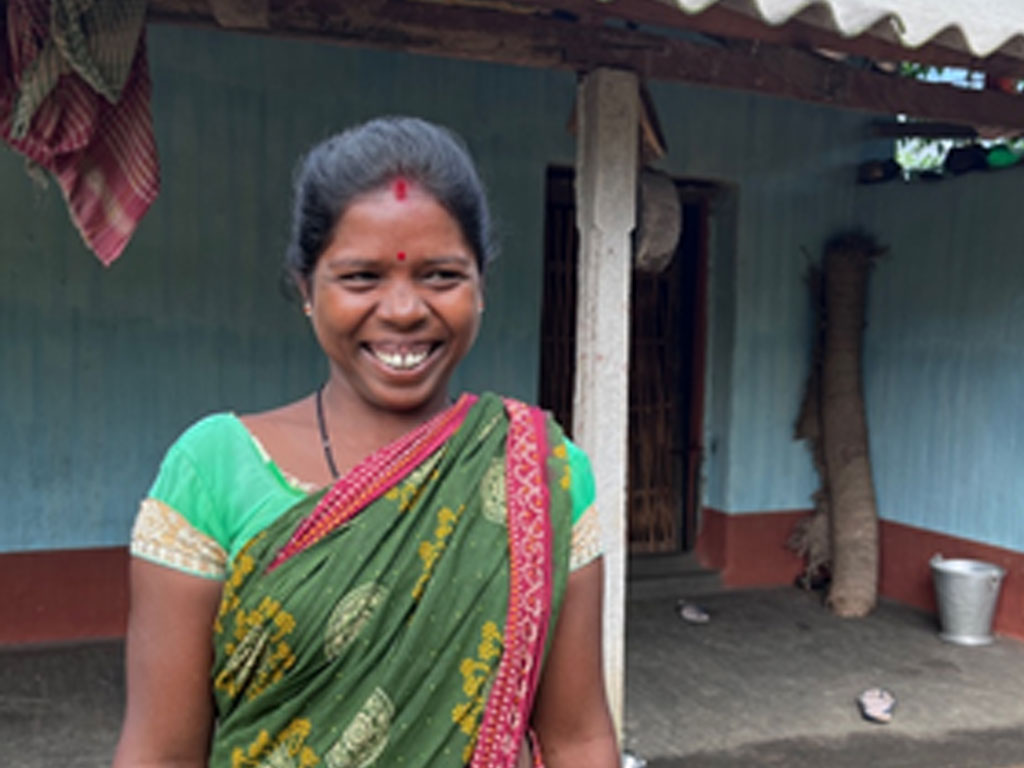
Janaki Deogam, a resident of Badgaon village, was no stranger to goat rearing before the intervention of Nydhee. However, her experience was fraught with difficulties, particularly in managing the health of her goats. Every year, she faced significant losses, as the newborn goat kids often did not survive due to poor health and lack of proper care. The high morbidity rates placed a financial strain on her family, leaving her unsure of how to secure a better future.
Nydhee’s Intervention: A Turning Point
Everything changed when Janaki became involved in Nydhee’s livestock management program. She participated in a series of training sessions that equipped her with the knowledge and skills necessary to improve the health of her goats. Most importantly, Nydhee introduced her to regular vaccination protocols, which dramatically reduced mortality rates among her livestock. Over time, Janaki noticed a remarkable transformation in the health and productivity of her goats.
Adopting Best Practices: A Healthier Herd
With the introduction of vaccinations, along with better nutrition and preventive care methods, Janaki’s goats became healthier and more resilient. Nydhee also trained her in the use of Azolla—a protein-rich aquatic plant that she now grows in her backyard—as a nutritious feed supplement for her goats. Additionally, she began incorporating mineral cakes into her goats’ diet, which provided the much-needed minerals to boost their growth and immune system, especially during maternity periods.
Investing in Infrastructure: Roofing and Goat Shed
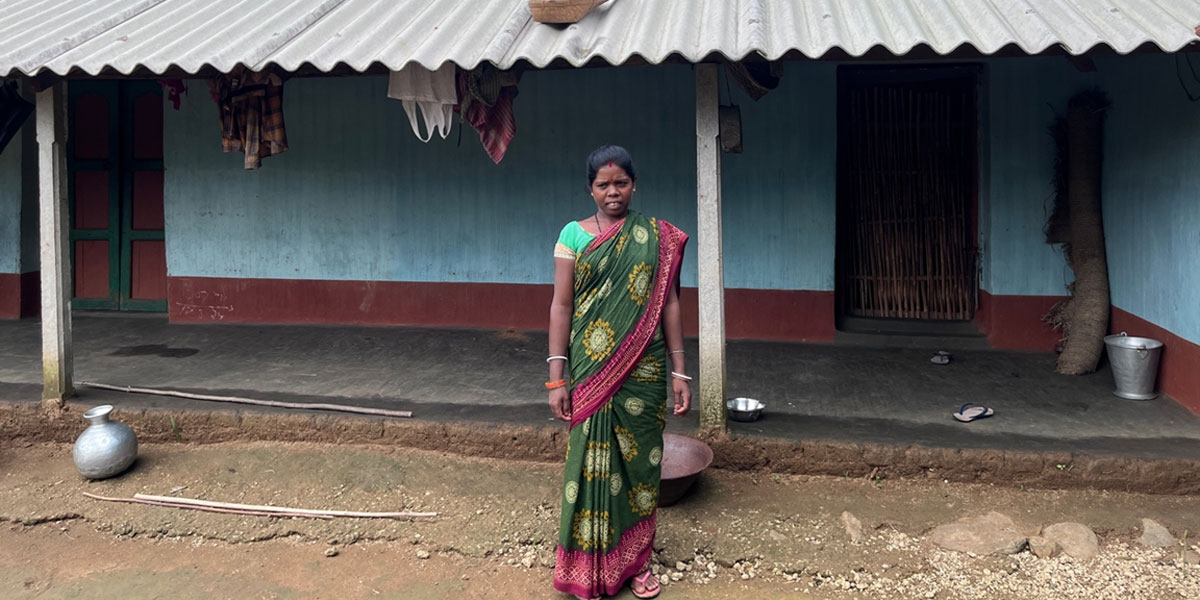
The improved health and survival of her goats allowed Janaki to begin earning a steady income from the sale of livestock. With her earnings, she was able to address a long-standing issue in her home: the dilapidated roof. Using the money she earned from selling goats, Janaki replaced her old, leaky roof with a permanent one. This upgrade has provided her family with protection from the elements, ensuring that they are safe and comfortable throughout the year.
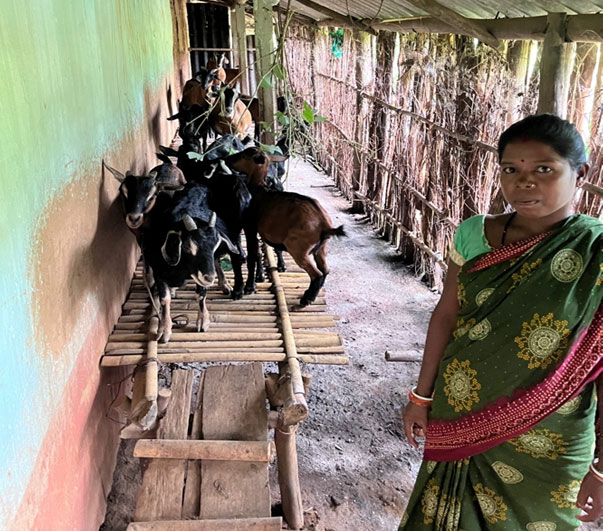
Janaki also invested in building an improved goat shed. Previously, her goats were exposed to harsh weather conditions, but now, with a well-ventilated and raised platform shed, her goats stay dry and healthy, even during the monsoon season. This infrastructure investment has contributed further to the goats’ health, reducing stress and disease incidence.
Diversifying Livelihoods: From Goat Rearing to Fish Farming
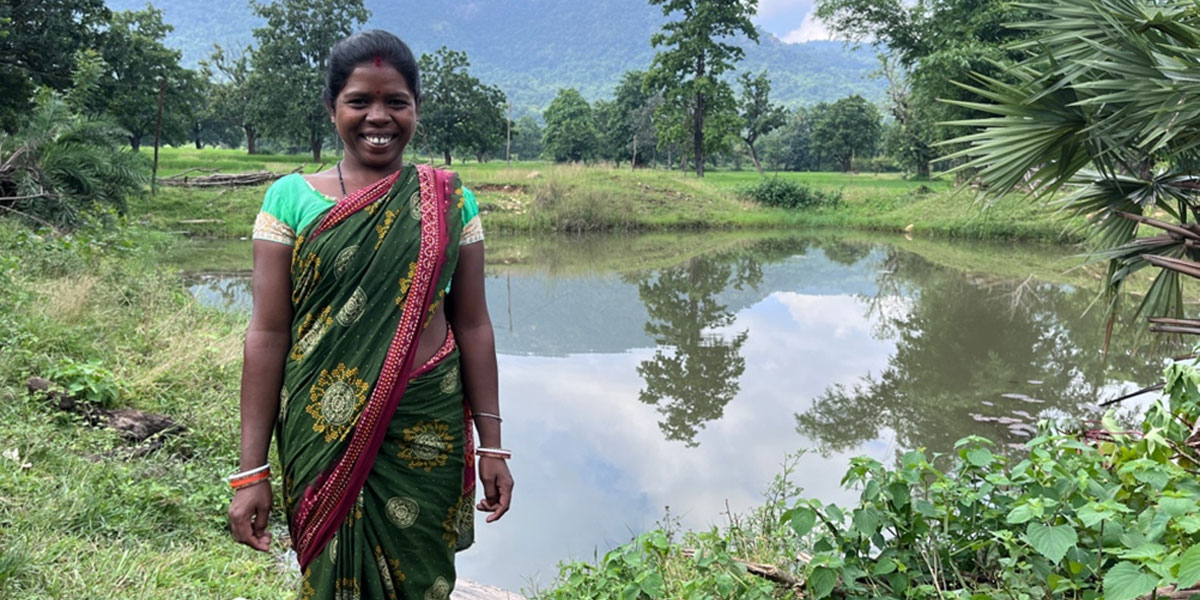
Janaki’s success in goat rearing inspired her to diversify her income streams. With the earnings from her livestock sales, she constructed a small pond on her property and ventured into pisciculture (fish farming). This has opened up a new avenue of income for her. By raising fish in the pond and selling them in the local market, she has added another steady source of revenue for her family.
Expanding Horizons: The Kitchen Garden for Nutrition and Sustainability
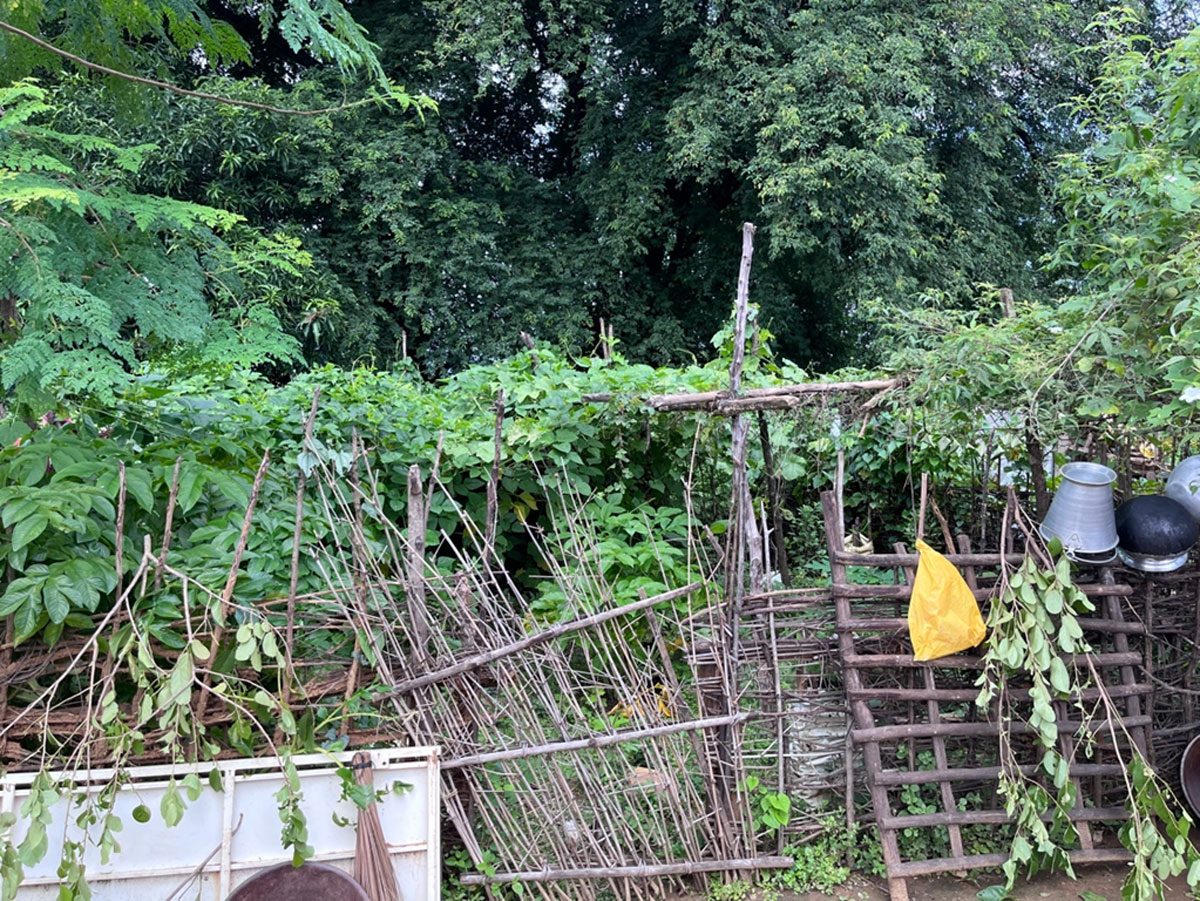
Along with goat rearing and fish farming, Janaki Deogam has also established a kitchen garden, adding another layer of sustainability and self-reliance to her household. With the guidance and support from Nydhee, Janaki has learned the importance of growing her own vegetables to supplement her family’s diet with nutritious, fresh produce. In her garden, she cultivates a variety of seasonal vegetables such as tomatoes, spinach, eggplant, and beans, which not only provide her family with vital nutrients but also reduce her dependency on the market for food.
The kitchen garden has played a crucial role in improving her family’s health by ensuring they have access to fresh, organic vegetables throughout the year. Additionally, any surplus produce from the garden is sold in the local market, generating a modest yet valuable extra income for the household. Janaki takes pride in this venture, as it not only feeds her family but also supports her community by promoting the benefits of home-grown, nutritious food.
Integrating Livelihoods for a Sustainable Future
Janaki’s kitchen garden, alongside her goat rearing and fish farming, is part of her holistic approach to ensuring food security and financial stability. The integration of different livelihood activities has created a well-rounded system where each element complements the other—goat manure enriches her garden soil, and the Azolla she grows for her goats can also be used to enhance her vegetable crops.
The kitchen garden has become a vital source of nutritious food, giving her children access to healthy meals that support their growth and well-being. Through this practice, Janaki not only improves her family’s diet but also shares her knowledge with other women in the village, encouraging them to adopt kitchen gardening as a means of securing better nutrition and income.
Her commitment to sustainable agriculture, combined with the best practices she learned through Nydhee, has set Janaki on a path toward long-term resilience and empowerment. The kitchen garden is now an integral part of her diversified livelihood strategy, providing yet another way for her to ensure a brighter, healthier future for her family.
Impact and Future Aspirations
The transformation in Janaki’s life over the past few years is a testament to the effectiveness of Nydhee’s intervention and her own determination to succeed. Not only has she improved her family’s financial situation, but she has also enhanced her household infrastructure, ensuring better living conditions for herself and her goats.
Janaki is now looking toward the future with optimism. She plans to expand her fish farming business while continuing to maintain her successful goat-rearing practices. Her long-term goal is to further improve her farm, making it a self-sustaining model of integrated agriculture and livestock management.